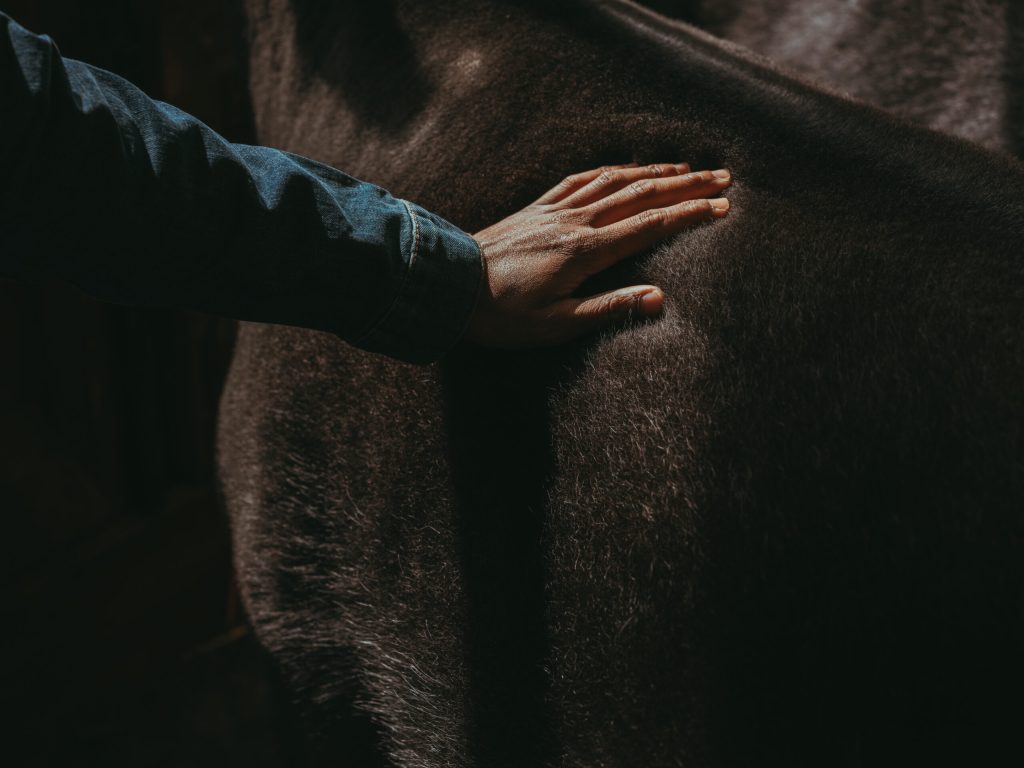
Prepare to be captivated by the Eiteljorg Museum of American Indians and Western Art’s latest addition to its permanent collection: a thought-provoking series by Portland-based photojournalist Ivan McClellan. This extraordinary project shatters stereotypes and rewrites history as it unveils the vibrant world of black cowboys, long overshadowed by their white counterparts.
You may be familiar with legendary figures like Billy the Kidd and Jesse James, popularized by western movies and TV shows. But have you heard of Bill Pickett? This unsung hero, born in 1870, revolutionized rodeo with his invention of “bulldogging.” His exceptional skills as a cowboy eventually led him to the Rodeo Hall of Fame in 1971 and numerous other accolades. McClellan’s work brings stories like Pickett’s to the forefront, showcasing the rich tapestry of black cowboy culture that continues to thrive across the Western and Southern United States.
Even in unexpected urban settings like Compton, California, black cowboy culture flourishes. The Compton Cowboys, featured in Walter Thompson-Hernández’s book, are a testament to the enduring legacy of this unique heritage. McClellan’s photographs prove that black cowboy culture is alive and well today, bridging the gap between history and the present.
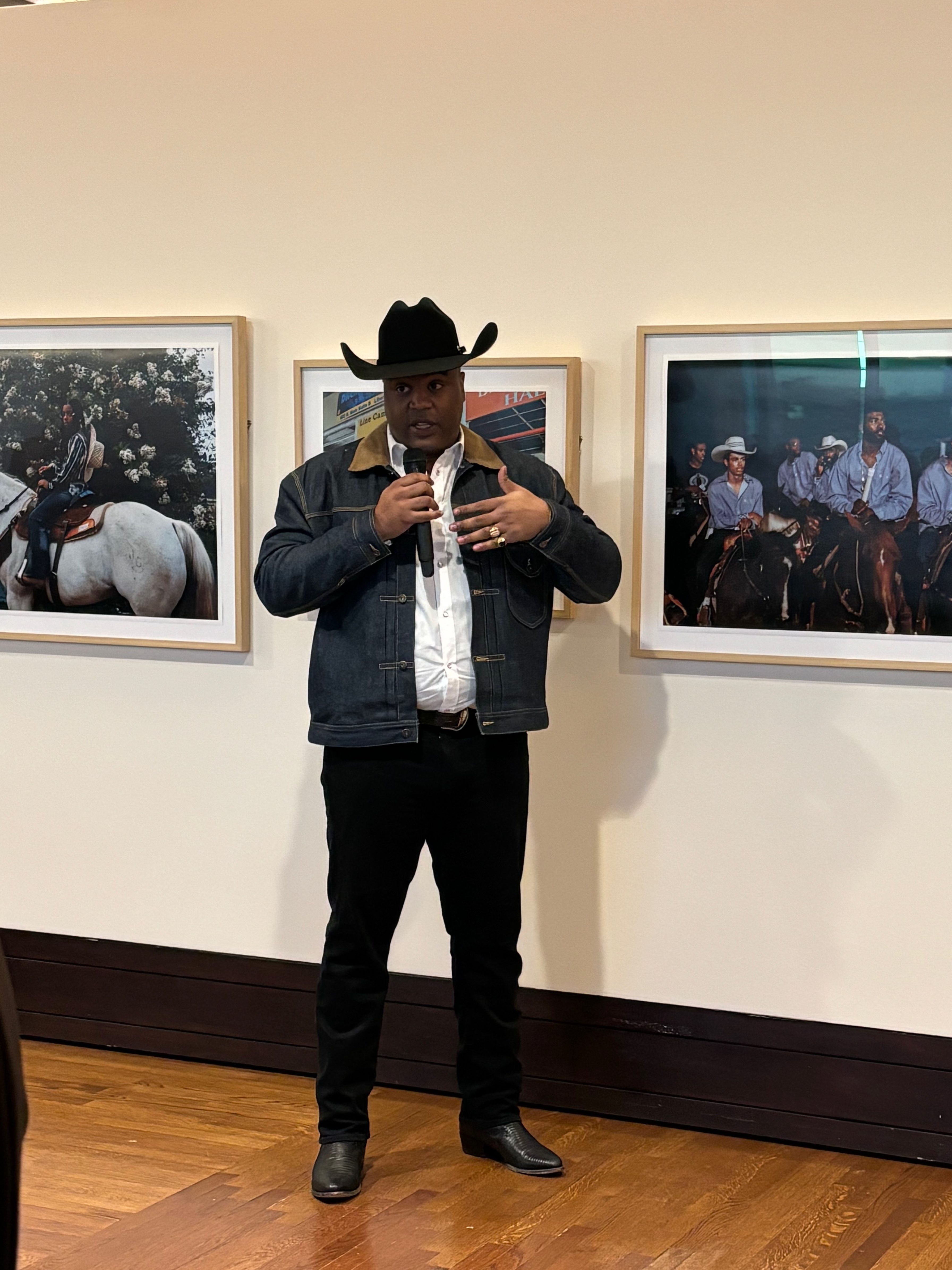
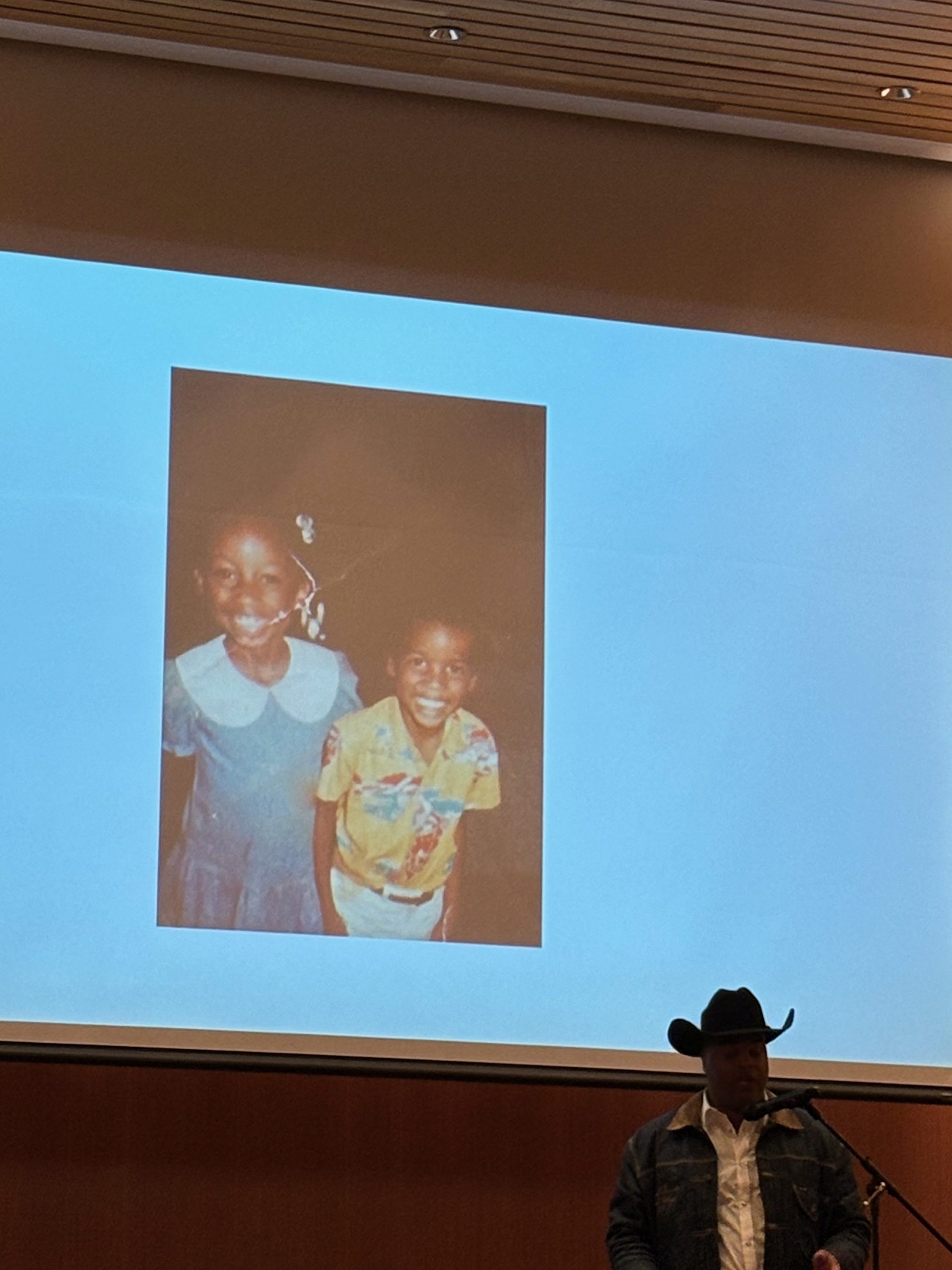
McClellan’s own journey to discovering this hidden world is as fascinating as the stories he captures. Growing up in Kansas City, Kansas, a place he described as a “little country, little urban”, gang activity surrounded his neighborhood. Yet fields, like the one behind McClellan’s childhood home, grew wild with blackberries and thistles, which he would pick with his sister and pick the latter out of his feet. Eventually, his career as a designer (of which McClellan notes he would see less and less black people as he climbed the ranks) in New York led him to an encounter with a black filmmaker documenting the very subject that would change his life: black cowboys.
McClellan’s experience at the all-black rodeo in Oklahoma was nothing short of transformative. “What was most thrilling for me was not simply the ‘people on horses on a soul train ride,’” he recalls, “it was the merger of hip-hop culture with cowboy culture. It was seeing black people on horses in basketball shorts and Jordans.” Despite standing out in his “chinos and wrinkled linen shirt” and feeling the difference in sweat between him and the rest of the crowd, McClellan felt a strong sense of acceptance. “Best of all, it was the acceptance I felt despite sticking out like a sore thumb,” he said. That day, McClellan encountered a diverse array of people, from quick-witted barrel-racing cowgirls to elderly men dressed impeccably in Western wear. Among them was a man named Robert, who shared a connection to McClellan’s own past, having lived on the other side of the field where McClellan spent those countless hours running around as a child.
Currently, McClellan reflects on how these pivotal experiences have shaped the course of his life, transforming his photography and the Eight Seconds project into something more profound and intimate than he could have ever anticipated.
Now, let’s find out more about the photos from photojournalist Ivan McClellan…
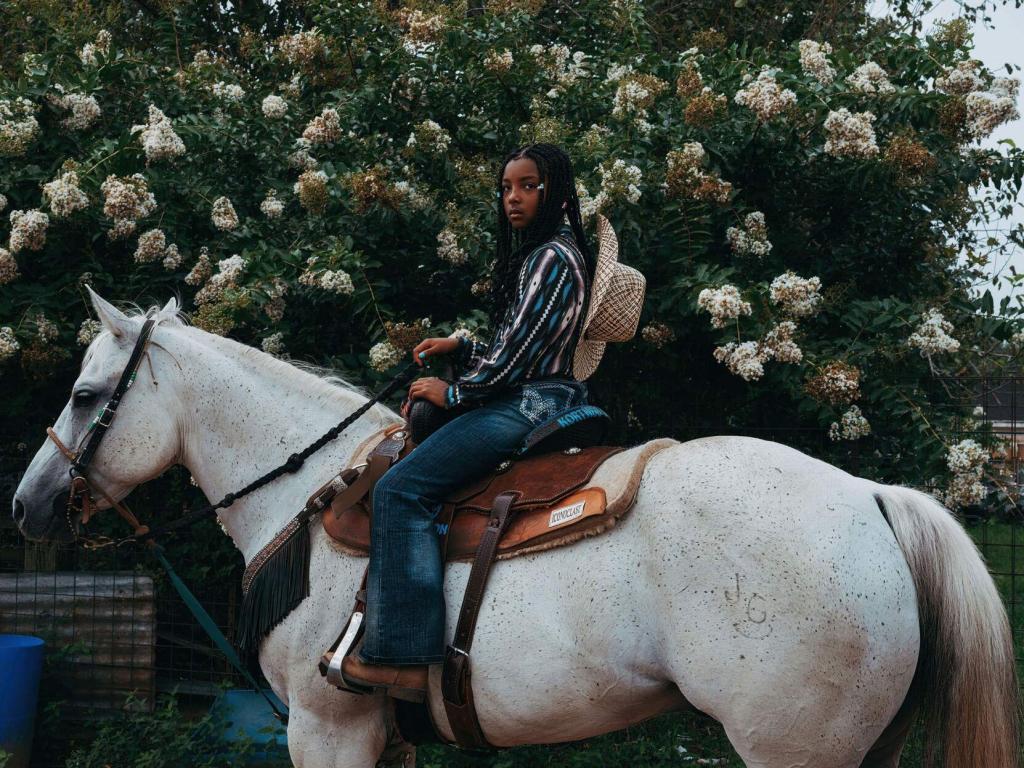
This photograph presents a young black cowgirl, dressed in the traditional Western attire of a printed shirt, blue jeans, boots, and a cowgirl hat. Seated confidently upon a white horse, its coat speckled with black spots and bearing the initials JG on its hindquarters, she gazes back at the photographer. The backdrop features a lush bush or tree, reminiscent of a hydrangea, with large white blooms cascading downwards and rich green foliage obscuring the sky. Despite the image’s seemingly solemn atmosphere, McClellan revealed that the young girl, merely eleven years of age, exudes a spirited, spunky demeanor. He shared with the audience her true character, adding another layer of depth to the powerful visual narrative. “She actually art directed this photo”, Ivan chuckles, “‘Before this shot, she was smiling and told me to wait and then struck this pose”.

Five black cowboys perch on an orange railing enclosing the rodeo ring, with the charismatic Scrawney Brooks claiming the spotlight. Adorned with a full beard and the modern day version of straw cowboy hat , Brooks exudes an air of authenticity. His chambray shirt, partially unbuttoned, reveals a glint of silver from a delicate chain, while his bootcut jeans, tucked into square-toed boots, spill out to create an accordion-like effect. Ivan’s photograph captures a moment of camaraderie among these men, likely sharing a weekly ritual at the Line Camp Cowboy Church, advertised above the men.
During the event, McClellan revealed a deeply personal aspect of Brooks’ life. Following a horrific car accident, Brooks faced a challenging road to recovery, yet miraculously, he managed to make a full comeback.
As the evening progressed, McClellan imparted a profound realization that resonated with the audience. For cowboys and cowgirls, he emphasized, it is not the inherent dangers they confront that pose the greatest threat, but the potential loss of their ability to ride their horses, severing a profound bond and sense of purpose that lies at the core of their identities.
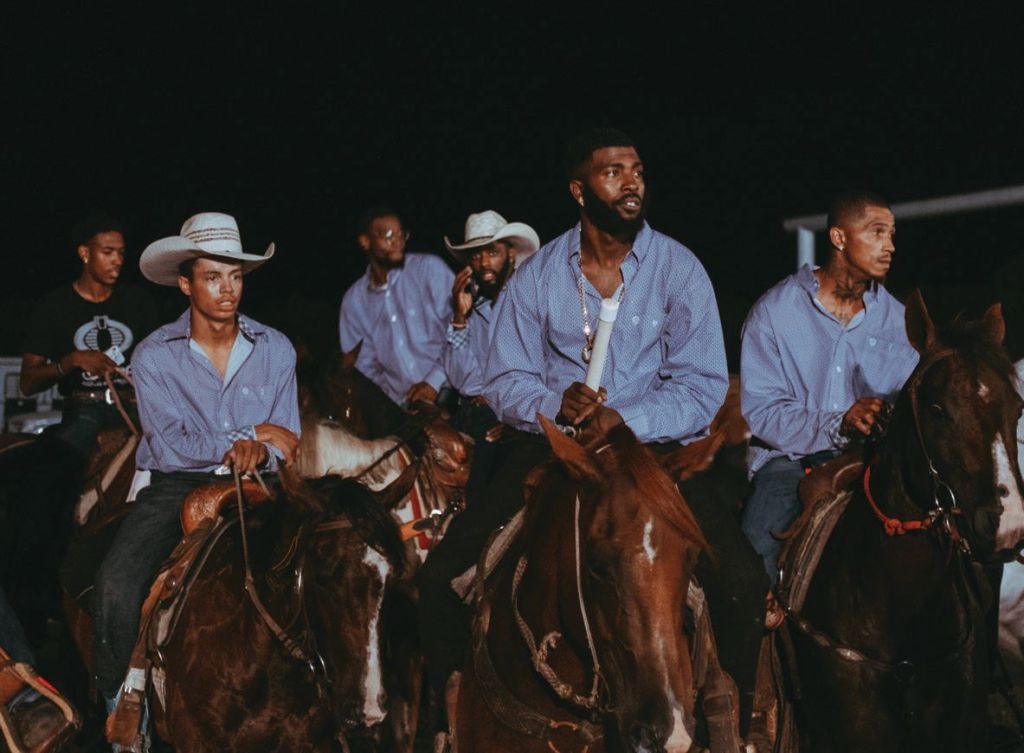
The Eiteljorg’s final acquisition, taken just before the adrenaline-fueled Pony Express, depicts five black cowboys seated on their steeds, four dressed in blue shirts, on the brink of entering the ring. McClellan masterfully captures the subtle mix of determination and nervous anticipation etched on the cowboys’ faces and mirrored in their horses’ demeanor. These steeds will soon charge toward one another at full throttle, their riders passing a baton in a high-stakes display of skill and teamwork.
Ivan McClellan’s captivating collection of photographs offers a fresh perspective on the historical West, while also revealing a dynamic culture that has persisted throughout the ages and remains vibrant today. His pride in sharing this rich heritage is evident through his own rodeo, Eight Seconds, which debuted last summer in Portland, welcoming athletes and guests alike.
However, amidst the triumphs and progress, the unveiling of McClellan’s work also shed light on the lingering challenges faced by black cowboys. Despite their integral role in the history and continued growth of cowboy culture, many Western brands remain reluctant to sponsor black athletes and events. This reluctance is particularly glaring when considering the historical context: black cowboy culture has not only coexisted alongside white cowboy culture but has been an essential part of its fabric, shaping the very essence of the American West.
McClellan’s own experience with Eight Seconds and his work with brands like Wrangler highlights this disparity. Even as he contributes his talent and vision to promote inclusivity and recognition, the struggle for equal sponsorship persists. This ongoing issue underscores the importance of continuing to challenge preconceived notions and biases, pushing for a more accurate and inclusive representation of the diverse cultures that have shaped the West.
Through his photography, McClellan invites viewers to explore and appreciate the overlooked stories of black cowboys, fostering a deeper understanding of their invaluable contributions. By confronting the systemic barriers that still exist, he aims to create a more equitable and authentic portrayal of the West, celebrating the vibrant tapestry of cultures that define its legacy.
 Hope: Hiker and Art Historian
Leave a comment